A morning, seen differently
An ordinary morning is a sequence of material decisions. Follow heat, moisture and movement through four objects. At each stop, look for a component that is doing a different job from the rest of the object.
Open the first stop to begin. A reading-path bar stays with you as you explore, so the next step is always in reach.
Start this path →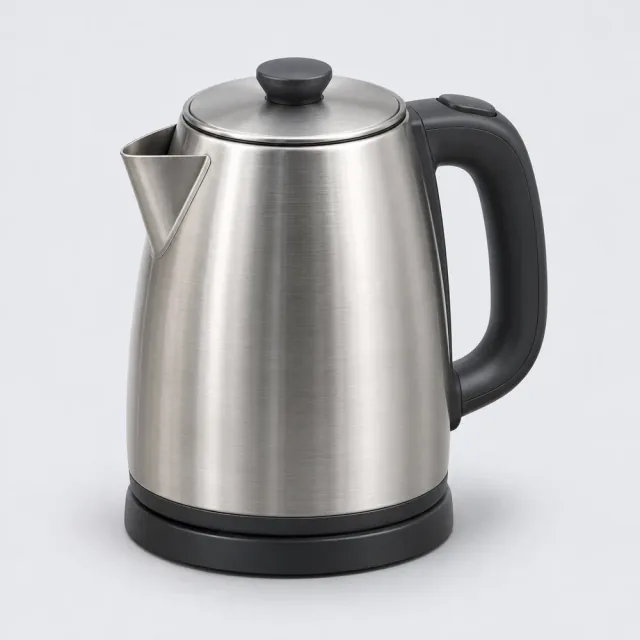 STOP 1 / objects
Begin with controlled heat
The part that heats water and the part your hand touches need almost opposite properties. Trace the metal body, insulated handle and seal. A good thermal conductor is useful in one place and uncomfortable in another.
Explore Electric kettle ↗ STOP 2 / objects
Give the heat a boundary
A fired ceramic body holds its shape in hot water. A glaze makes a different surface from the underlying body. Notice how the handle also solves a problem through geometry: it creates distance from the hot liquid.
Explore Ceramic mug ↗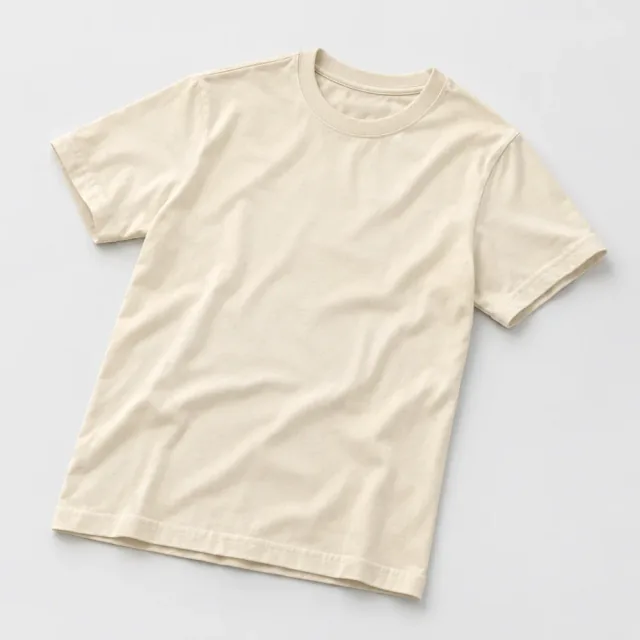 STOP 3 / objects
Meet a plant polymer
Cotton fibres are rich in cellulose. Spinning and knitting turn short fibres into a flexible fabric. The water that makes cotton absorbent also affects drying and comfort; a property can be useful and limiting at once.
Explore Cotton T-shirt ↗ STOP 4 / objects
Finish with controlled deformation
A shoe should bend, cushion and grip in different places. Find the foam, upper and outsole, then notice the adhesive interfaces. Those joins help the shoe work but also affect repair and separation after use.
Explore Running shoe ↗Carry this idea with you.
Look for the division of labour: an object succeeds when its components solve different parts of the task.
Follow the evidence
Original explanations informed by the sources below. Technical and industry sources support material behaviour; industry environmental marketing is not treated as a universal comparison. Read our editorial method.
- The Bacterial Life Cycle in Textiles is Governed by Fiber Hydrophobicity ↗Andreas Møllebjerg, Lorena Gonzales Palmén, Klaus Gori and Rikke Louise Meyer; Aarhus University and Novozymes; Microbiology Spectrum · 2021-10-13 · Checked 2026-11-13
- HD9305/26 kettle specifications ↗Philips · Undated · Checked 2026-11-13
- Borosilicate glass ↗SCHOTT · Undated · Checked 2026-11-13
- Pots and pans: cookware materials ↗Tefal / Groupe SEB · Undated · Checked 2026-11-13
- General principles for selection of stainless steels ↗British Stainless Steel Association · Undated · Checked 2026-11-13
- Recycling ↗worldstainless · Undated · Checked 2026-11-13
- Nickel — element information, properties and uses ↗Royal Society of Chemistry · Undated · Checked 2026-11-13
- Mineral Commodity Summaries 2026 — Nickel ↗U.S. Geological Survey, National Minerals Information Center · 2026-05-27 (version 1.3) · Checked 2026-11-13
- How Do I Recycle Common Recyclables ↗U.S. Environmental Protection Agency · Undated · Checked 2026-11-13
- Polypropylene (PP) ↗British Plastics Federation · Undated · Checked 2026-11-13
- Plastics Processes ↗British Plastics Federation · Undated · Checked 2026-11-13
- Mineral Commodity Summaries 2026 — Copper ↗U.S. Geological Survey, National Minerals Information Center · 2026-05-27 (version 1.3) · Checked 2026-11-13
- Copper Life Cycle ↗International Copper Association · Undated · Checked 2026-11-13
- Room Temperature Vulcanizing (RTV) Silicones: Material and Processing Guidelines ↗WACKER Chemie · Undated · Checked 2026-11-13
- Products & Services — Annual Report 2025 ↗WACKER Chemie · 2026 (report for 2025) · Checked 2026-11-13
- OFANTLIGT mug: materials and care ↗IKEA · Undated · Checked 2026-11-13
- About glass ↗British Glass · Undated · Checked 2026-11-13
- Holistic health: How ceramics and glass contribute to our physical and mental wellbeing ↗The American Ceramic Society · Undated · Checked 2026-11-13
- Rivalry and Dresden plates and quilts: European porcelain production ↗The American Ceramic Society · Undated · Checked 2026-11-13
- Quality of recycling: Towards a reference framework for the circular economy ↗European Commission Joint Research Centre · 2020 · Checked 2026-11-13
- Silica ↗Sibelco · Undated · Checked 2026-11-13
- Silica is safe — frequently asked questions ↗Evonik · Undated · Checked 2026-11-13
- Silica dust ↗UK Health and Safety Executive · Undated · Checked 2026-11-13
- Advanced Ceramic Substrates for Electronic Applications ↗CeramTec · Undated · Checked 2026-11-13
- Aluminum Production and Processing ↗The Aluminum Association · Undated · Checked 2026-11-13
- Cotton: The New Generation ↗American Association of Textile Chemists and Colorists · Undated · Checked 2026-11-13
- Polyester: Virgin & Recycled ↗Patagonia · Undated · Checked 2026-11-13
- Textile Fibers ↗Cotton Incorporated · 2013 · Checked 2026-11-13
- Fiber Preparation for Spinning ↗Cotton Incorporated / CottonWorks · Undated · Checked 2026-11-13
- Polyesters (Thermoplastic) PETP, PBT, PET ↗British Plastics Federation · Undated · Checked 2026-11-13
- Melt Spinning ↗Textile Exchange · Undated · Checked 2026-11-13
- Microplastics from textiles: towards a circular economy for textiles in Europe ↗European Environment Agency · 2022 · Checked 2026-11-13
- About Pulp & Paper ↗Confederation of European Paper Industries · Undated · Checked 2026-11-13
- How Is Paper Made Today? ↗American Forest & Paper Association · 2025-05-01 · Checked 2026-11-13
- The anatomy of a running shoe ↗ASICS · Undated · Checked 2026-11-13
- What is FLYTEFOAM? ↗ASICS · Undated · Checked 2026-11-13
- Materials: Basic knowledge of tires ↗Bridgestone · Undated · Checked 2026-11-13
- Nylons (Polyamide) ↗British Plastics Federation · Undated · Checked 2026-11-13
- Ethylene Vinyl Acetate EVA ↗British Plastics Federation · Undated · Checked 2026-11-13
- Solar Photovoltaic Manufacturing Basics ↗U.S. Department of Energy · Undated · Checked 2026-11-13
- Solar Photovoltaics Supply Chain Deep Dive Assessment ↗U.S. Department of Energy · 2022-02-24 · Checked 2026-11-13
- Natural Rubber at a glance ↗Michelin · Undated · Checked 2026-11-13
- Introduction to rubber processing and safety issues ↗UK Health and Safety Executive · Undated · Checked 2026-11-13
- Frequently asked questions on polyurethanes ↗ISOPA / Polyurethanes.org · Undated · Checked 2026-11-13
- The chemistry of polyurethanes ↗Danielle Williams, Lawrence Industries · Undated · Checked 2026-11-13