The hidden minerals of everyday technology
Small devices rely on a long chain of extraction, refining and manufacturing. This route connects functions with mineral inputs while keeping a crucial boundary: world production statistics cannot reveal the provenance of a device in your hand.
Open the first stop to begin. A reading-path bar stays with you as you explore, so the next step is always in reach.
Start this path →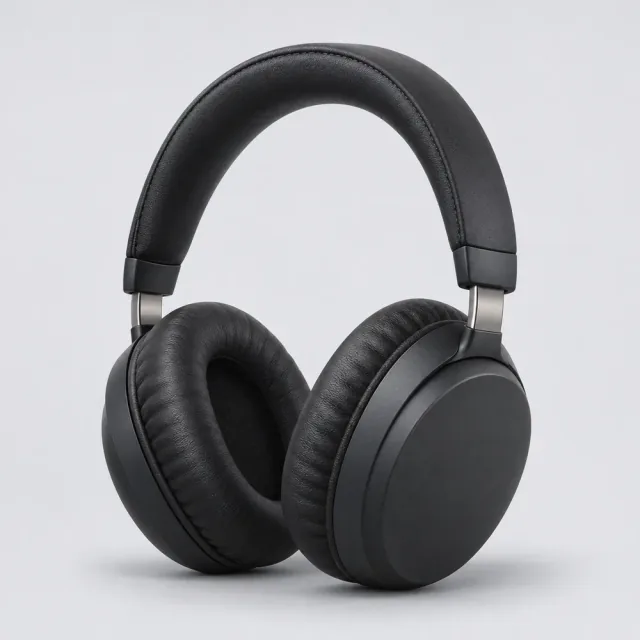 STOP 1 / objects
Turn electricity into movement
A moving-coil driver combines a conductor, a magnetic field and a diaphragm. Different headphone designs vary, but the basic division of labour connects electrical and mechanical properties.
Explore Headphones ↗Look inside a magnet name
A neodymium magnet is an engineered alloy, not a piece of pure neodymium. The rare-earth ingredient is separated from ores alongside other elements. Mining, separation and magnet manufacture are distinct stages.
Explore Neodymium ↗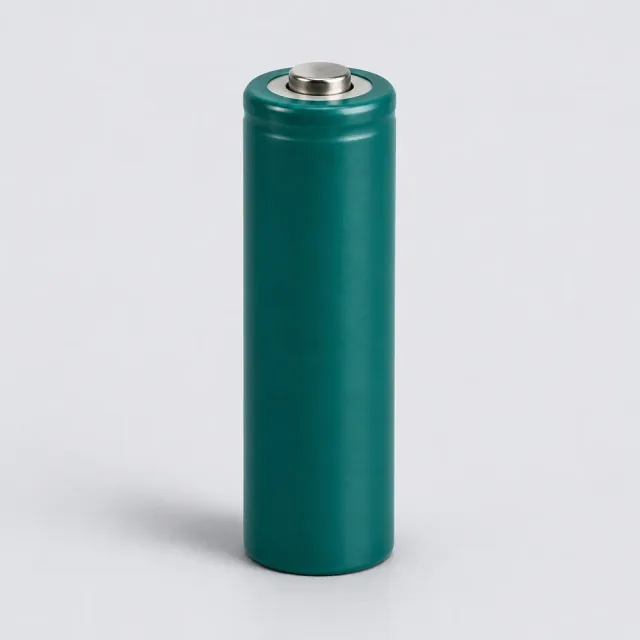 STOP 3 / objects
Separate an element from its compound
Lithium ions move between engineered electrodes; this is different from a rechargeable cell filled with chunks of lithium metal. Some chemistries use cobalt and nickel; others do not. The generic battery needs explicit variants.
Explore Lithium-ion battery ↗Read a production chart carefully
Copper mine output measures one stage in a supply chain. Refining and fabrication may occur elsewhere. Check the year, units and definition before comparing countries or drawing conclusions about an object’s origin.
Explore Copper ↗Carry this idea with you.
Track the stage as carefully as the substance: ore, refined material and finished component are different observations.
Follow the evidence
Original explanations informed by the sources below. Technical and industry sources support material behaviour; industry environmental marketing is not treated as a universal comparison. Read our editorial method.
- HD 480 PRO: driver and replaceable components ↗Sennheiser · Undated · Checked 2026-11-13
- A World of Minerals in Your Mobile Device ↗U.S. Geological Survey · 2016-09 · Checked 2026-11-13
- Used Lithium-Ion Batteries ↗U.S. Environmental Protection Agency · Undated · Checked 2026-11-13
- Introducing the HD 620S: aluminium voice coil construction ↗Sennheiser / Sonova Consumer Hearing · 2024-05-08 · Checked 2026-11-13
- Neodymium — element information, properties and uses ↗Royal Society of Chemistry · Undated · Checked 2026-11-13
- Mineral Commodity Summaries 2026 — Rare Earths ↗U.S. Geological Survey, National Minerals Information Center · 2026-05-27 (version 1.3) · Checked 2026-11-13
- How Do I Recycle Common Recyclables ↗U.S. Environmental Protection Agency · Undated · Checked 2026-11-13
- Aluminum Production and Processing ↗The Aluminum Association · Undated · Checked 2026-11-13
- Mineral Commodity Summaries 2026 — Aluminum ↗U.S. Geological Survey, National Minerals Information Center · 2026-05-27 (version 1.3) · Checked 2026-11-13
- Mineral Commodity Summaries 2026 — Copper ↗U.S. Geological Survey, National Minerals Information Center · 2026-05-27 (version 1.3) · Checked 2026-11-13
- Copper Life Cycle ↗International Copper Association · Undated · Checked 2026-11-13
- Polyesters (Thermoplastic) PETP, PBT, PET ↗British Plastics Federation · Undated · Checked 2026-11-13
- Melt Spinning ↗Textile Exchange · Undated · Checked 2026-11-13
- Microplastics from textiles: towards a circular economy for textiles in Europe ↗European Environment Agency · 2022 · Checked 2026-11-13
- Acrylonitrile Butadiene Styrene (ABS) and Other Specialist Styrenics ↗British Plastics Federation · Undated · Checked 2026-11-13
- Plastics Processes ↗British Plastics Federation · Undated · Checked 2026-11-13
- Polycarbonate (PC) ↗British Plastics Federation · Undated · Checked 2026-11-13
- General principles for selection of stainless steels ↗British Stainless Steel Association · Undated · Checked 2026-11-13
- Recycling ↗worldstainless · Undated · Checked 2026-11-13
- Frequently asked questions on polyurethanes ↗ISOPA / Polyurethanes.org · Undated · Checked 2026-11-13
- The chemistry of polyurethanes ↗Danielle Williams, Lawrence Industries · Undated · Checked 2026-11-13
- Polyvinyl Chloride PVC ↗British Plastics Federation · Undated · Checked 2026-11-13
- Lithium-Ion Battery Recycling: how cells work and how chemistries differ ↗U.S. Environmental Protection Agency · Undated · Checked 2026-11-13
- Mineral Commodity Summaries 2026 — Graphite ↗U.S. Geological Survey, National Minerals Information Center · 2026-05-27 (version 1.3) · Checked 2026-11-13
- Technology Strategy Assessment — Lithium-ion ↗U.S. Department of Energy · 2023-07 · Checked 2026-11-13
- Lithium — element information, properties and uses ↗Royal Society of Chemistry · Undated · Checked 2026-11-13
- Mineral Commodity Summaries 2026 — Lithium ↗U.S. Geological Survey, National Minerals Information Center · 2026-05-27 (version 1.3) · Checked 2026-11-13
- Cobalt — element information, properties and uses ↗Royal Society of Chemistry · Undated · Checked 2026-11-13
- Mineral Commodity Summaries 2026 — Cobalt ↗U.S. Geological Survey, National Minerals Information Center · 2026-05-27 (version 1.3) · Checked 2026-11-13
- Nickel — element information, properties and uses ↗Royal Society of Chemistry · Undated · Checked 2026-11-13
- Mineral Commodity Summaries 2026 — Nickel ↗U.S. Geological Survey, National Minerals Information Center · 2026-05-27 (version 1.3) · Checked 2026-11-13
- Polypropylene (PP) ↗British Plastics Federation · Undated · Checked 2026-11-13
- What is steel? ↗World Steel Association · Undated · Checked 2026-11-13
- Raw materials ↗World Steel Association · Undated · Checked 2026-11-13
- Mineral Commodity Summaries 2026: Copper, world production table ↗U.S. Geological Survey, National Minerals Information Center · 2026-02; report version 1.3, 2026-05-27 · Checked 2026-11-13
- Mineral Commodity Summaries 2026 Data Release ↗U.S. Geological Survey, National Minerals Information Center · 2026-09-18 (landing page) · Checked 2026-11-13